2024-12-06

Dongguan Chengye Vacuum Technology Co., Ltd. is located in Baihuadong Village, Dalingshan Town, Dongguan City. We are a high-tech enterprise that specializes in the research and development, manufacturing, sales, maintenance, and upkeep of vacuum coating equipment....
Qualification Display
News Center
The problem of uneven film thickness in vacuum electroplating equipment
No matter how accurate the monitoring device is, it can only control the film thickness at a single point in the vacuum chamber, generally at the middle position of the workpiece rack. If the film thi
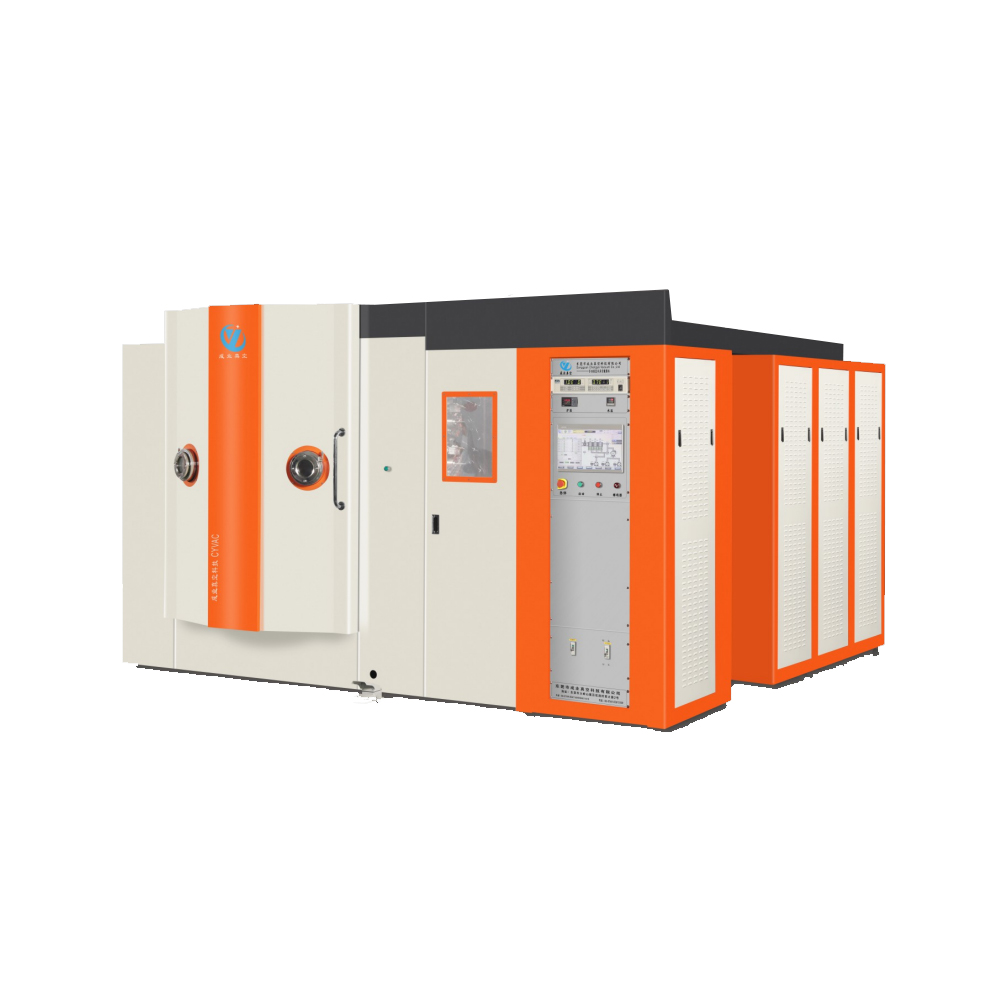
No matter how accurate the monitoring device is, it can only control the film thickness at a single point in the vacuum chamber, generally at the middle position of the workpiece rack. If the film thickness at this position of the vacuum plating equipment is not absolutely uniform, then the substrate far from the center position cannot obtain uniform thickness. Although shielding can eliminate long-term unevenness, some changes in film thickness are caused by instability of the evaporation source or different properties of the film material, making them almost impossible to eliminate. However, appropriate selection of the structure of the vacuum chamber and the evaporation source can minimize these effects.
In the past few years, more and more users have requested coating system manufacturers to provide high-performance, small-sized, and simple optical coating systems. At the same time, users' requirements for performance have not decreased, but have increased, especially in terms of film density and minimizing spectral changes after water absorption.
Now, the average size specifications of the system have been decreasing, and the production of optical coatings using small-sized equipment has also become a purely technical issue. Therefore, the key to choosing a modern optical coating system depends on careful consideration of the expected performance of the coated product, the size and physical properties of the substrate, and all technical factors necessary to ensure a highly consistent process.

