2024-12-06

Dongguan Chengye Vacuum Technology Co., Ltd. is located in Baihuadong Village, Dalingshan Town, Dongguan City. We are a high-tech enterprise that specializes in the research and development, manufacturing, sales, maintenance, and upkeep of vacuum coating equipment....
Qualification Display
News Center
The difference between vacuum coating and optical coating
The difference between vacuum coating and optical coating1. Vacuum coating:Vacuum coating is an important aspect of vacuum applications. It is based on vacuum technology and uses physical or chemical
The difference between vacuum coating and optical coating
1. Vacuum coating:
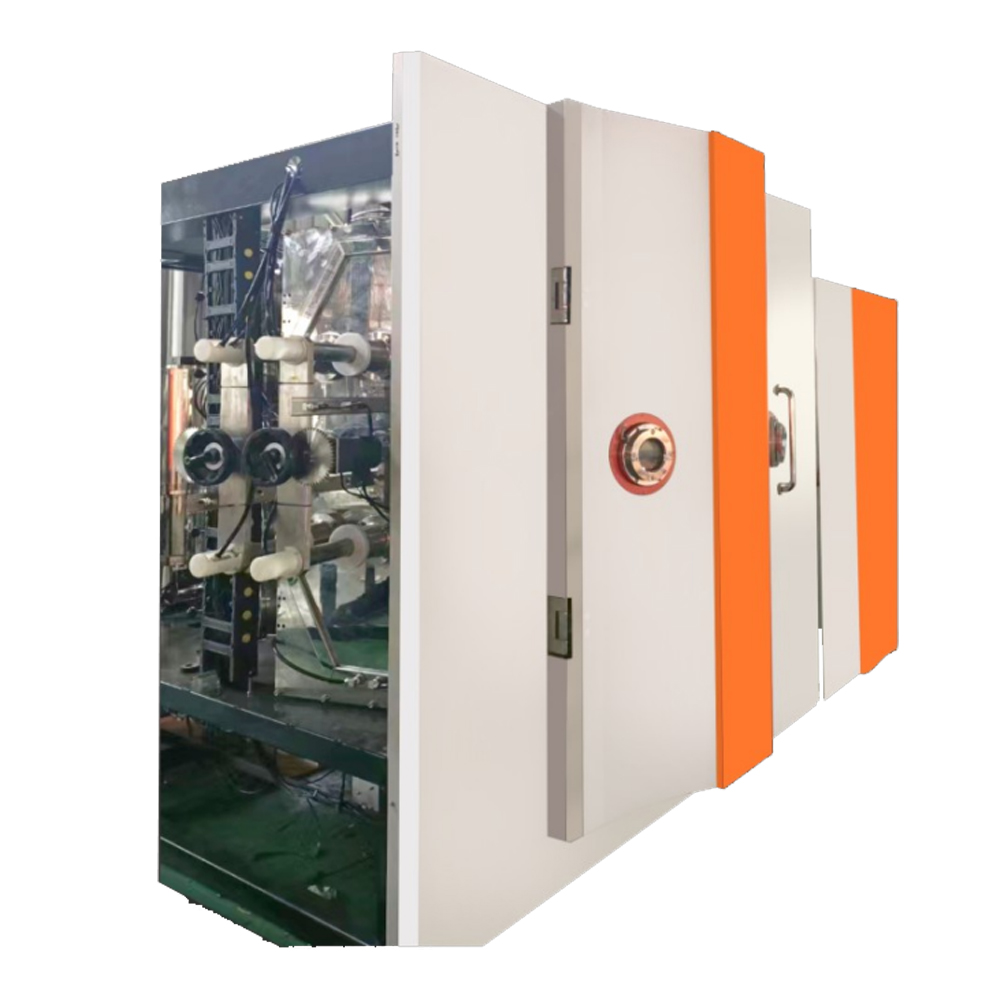
Vacuum coating is an important aspect of vacuum applications. It is based on vacuum technology and uses physical or chemical methods to absorb a series of new technologies such as electron beams, molecular beams, ion beams, plasma beams, radio frequency, and magnetic control, providing a new process for thin film preparation for scientific research and practical production. Simply put, it is the solidification and deposition method of evaporating or sputtering metals, alloys, or compounds in a vacuum to coat them on an object (called a substrate, substrate, or matrix), which is called vacuum coating.
Vacuum coating is a new coating technology developed relative to the wet coating method mentioned above, commonly referred to as dry coating technology.
2. Optical coating:
Optical coating refers to the process of depositing one or more layers of metal (or dielectric) thin films on the surface of optical components. The purpose of surface coating on optical components is to reduce or increase the requirements for light reflection, beam splitting, color separation, filtering, polarization, etc. The commonly used coating methods include vacuum coating (a physical coating) and chemical coating.
Optical coating is a physical or chemical method that involves coating a transparent electrolyte film or a metal film on the surface of a material to alter its reflective and transmissive properties.
3、 From the above, it can be understood that there are two differences between vacuum coating and optical coating:
1. Vacuum coating is based on vacuum technology, using physical or chemical methods to absorb a series of new technologies such as electron beam, molecular beam, ion beam, plasma beam, radio frequency, magnetron, etc. Optical coating is a physical or chemical method of coating a transparent electrolyte film or a metal film on the surface of a material, with the aim of changing the reflection and transmission characteristics of the material surface.
2. Vacuum coating is the field of vacuum applications, while optical coating refers to the process of coating one (or more) layer of metal (or dielectric) thin film on the surface of optical components.

